- Soul of Birthing508-237-6768
Seattle, WA 98020
Reading Recommendations
- Pregnancy, Chlldbirth, and the Newborn, The Complete Guide by P Simkin 4th Edition
- The Greatest Pregnancy Ever, Tracy Peters and Laurel Wilson
- The Secret Life of the Unborn Child, Thomas Verny and John Kelly
- Pre-Parenting, Nurturiing Your Child from Conception, Thomas Verny and Pamela Weintraub
- The Mind of Your Newborn Baby, David Chamberlain
- Windows to the Womb, David Chamberlain, 2013
- Enriching Heredity: The Impact of the Environment on the Anatomy of the Brain, Marian Cleaves Diamond, 1988
- Prenatal Development and Parents' Lived Experiences, Weinstein,A, 2016
- Prenatal Bonding Analysis: The Invisible Umblical Cord, Hidas, Raffai, Vollner 2023
MEMBERSHIPS
- APPPAH
- CAPPA
- HYPNOBIRTHING INSTITUTE
- NATIONAL GUILD OF HYPNOTISTS
- NGHWA
Health WellNews
Secrets Acupuncturists Use to Stay Healthy
Staying healthy means something different for everybody. For most, it means getting proper rest, eating a balanced healthy diet and exercising regularly. Here are some secrets many acupuncturists incorporate into their regimen.
Wearing Scarves
Most people wear scarves during the fall and winter months, but acupuncturists will wear scarves almost year round to protect their necks from drafts. In traditional Chinese medicine, the back of the neck is where cold pathogens are thought to enter the body. Even sitting in an air-conditioned building all day during warm months of the year can cause people to get sick.
Green Tea
Green tea is known to be very healthy in comparison to its other tea cousins. Acupuncturists have known this for quite some time, and most drink it to boost immunity as well as increase the amount of antioxidants in their bodies. Antioxidants fight off free radicals, which age the body and can lead to disease.
Herbs
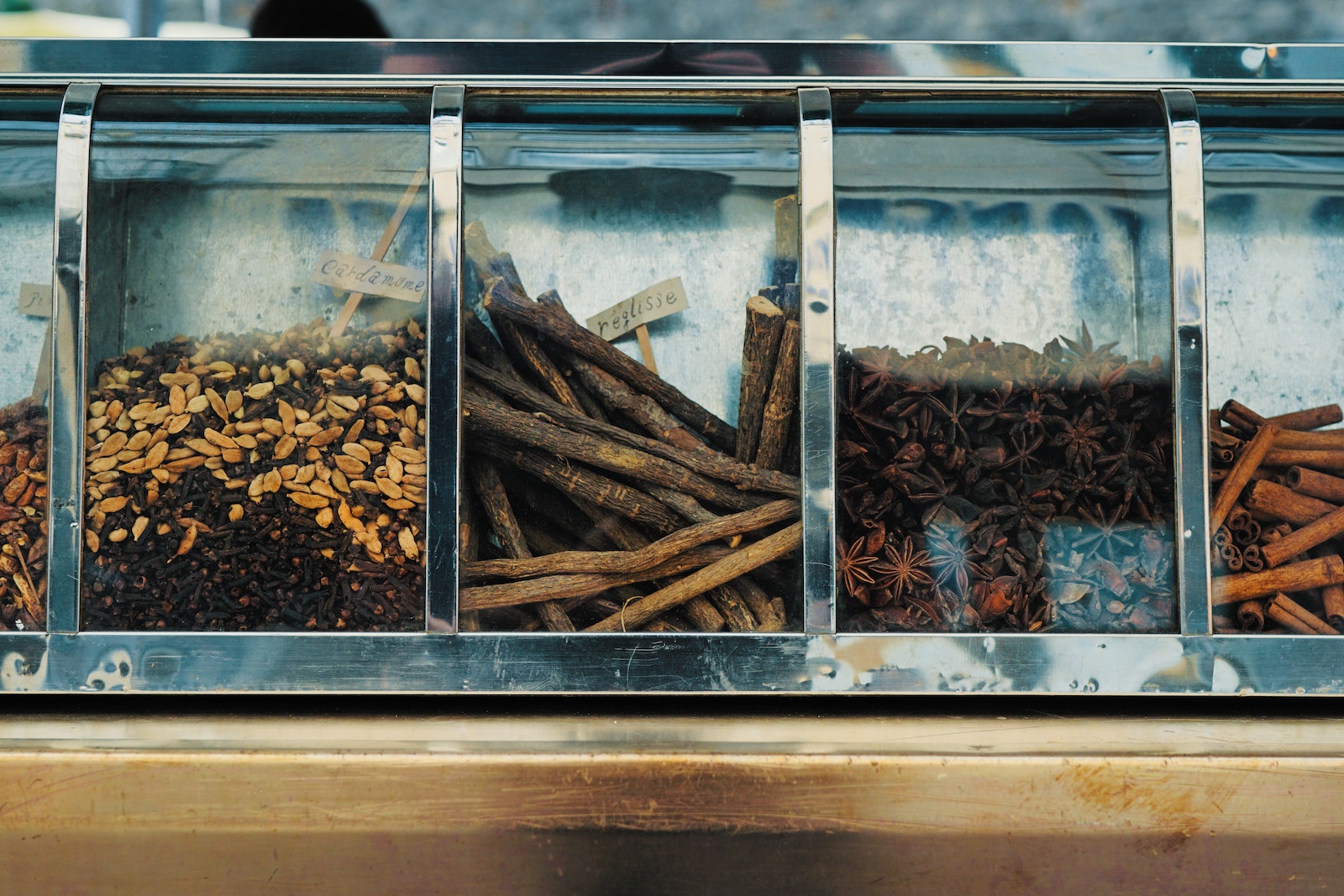
Ingesting herbs for their numerous health benefits has been a practice for thousands of years. Some of the favorites for acupuncturists include licorice root (gan cao), Chinese wolfberry (gou qi zi), cinnamon twigs (gui zhi), ginseng root (ren shen) and mugwort leaves (ai ye).
Licorice root (gan cao) boosts the spleen-meridian energy, which helps with digestion and muscle tissue condition.
Chinese wolfberry (gou qi zi) increases liver, lung and kidney meridian energies. This herb can help with sore back and leg muscles, as well as eye-muscle strain.
Cinnamon twigs (gui zhi) are a warming herb that boost heart-meridian energy. It is used frequently to help fight off colds.
Ginseng root (ren shen) also increases spleen-meridian energy, which helps with digestion and improves immune responses.
Mugwort leaves (ai ye) are another warming herb that targets the spleen, liver and kidney energetic meridians. Acupuncturists use ai ye to stop pain and disperse cold that is attacking the body. This herb, however, is usually ground up and burned over certain acupuncture points instead of taken internally.
Harimake
When our body core becomes cold, it can wreak havoc on all of our internal organs and this can then drain our energy and cause illness. One secret weapon used to keep the body core heated is something called a harimake. Harimakes are Japanese in origin, very simple and very effective. Harimakes are usually made from flannel or soft wool. They are wide bands of cloth that cover the abdomen from just above the waist to about six inches below the waist and they are worn under your clothes. Harimakes are used to conserve body warmth and energy, thus protecting your body from stress, exhaustion and illness.
These are just a few of the health secrets acupuncturists use. Even more important than these, though, is getting proper sleep, eating well, avoiding excess stress and getting regular acupuncture treatments. Even acupuncturists get regular treatments, because we know we can’t help you if we don’t take care of ourselves first.
7 Ways Acupuncture Can Help With Running Injuries
Running is something that people do to keep their bodies healthy. But as with any physical activity, there can be pitfalls to avoid. When it comes to runners, things like sprains, strains, aches and pains are all too common. And they usually involve the ankles, knees or legs because those are the tools that runners use.
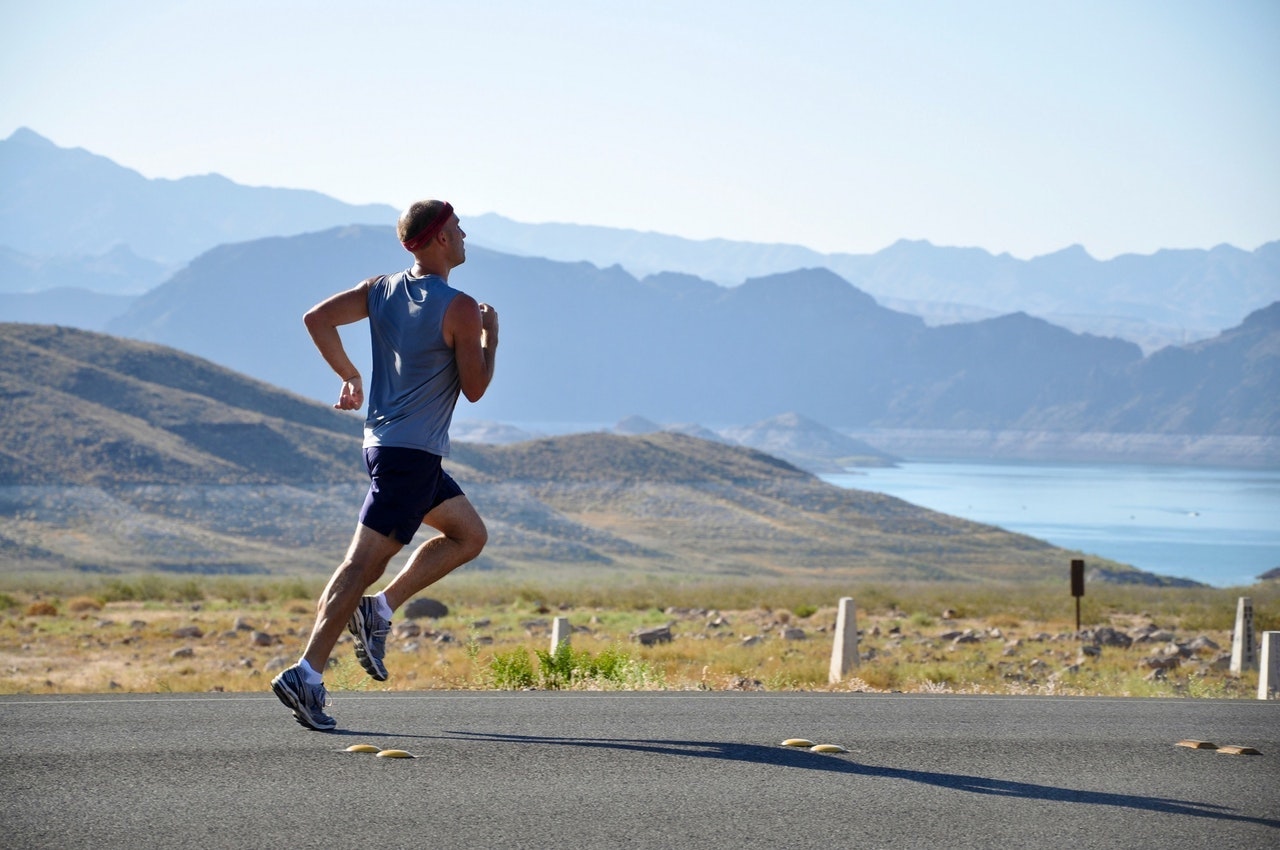
For most minor running injuries, some rest and heat or ice can be helpful. But occasionally there are issues that just don’t seem to go away and can impede a runner’s ability to train and get back on track. Things like plantar fasciitis, pateliofemoral syndrome (aka “runner’s knee”) and sciatica are all issues that may take more than just some rest to correct. This is where modalities like acupuncture can be very beneficial.
Acupuncture is a component of Traditional Chinese Medicine (TCM) that involves inserting hair-thin needles into the skin at specific points, which when stimulated, promote the body’s natural ability to heal itself. And while most runners seek out acupuncture as a way to treat an ache, pain or injury, many find that regular acupuncture treatments can actually improve their running by restoring balance and energy throughout the body. Here are seven ways that acupuncture can help with running injuries.
Acupuncture reduces inflammation. Inflammation is
common to running injuries. Inflammation is typically
caused by trauma or repetitive motion to the area. Inflammation occurs when cortisol levels are elevated and studies show that acupuncture can decrease cortisol levels very effectively, thus decreasing inflammation.
Acupuncture decreases swelling. Swelling is another common symptom of running injuries. It occurs when increased movement of fluid and white blood cells rush to the area that is inflamed. The swelling can remain for several days. But specific acupuncture points can actually help decrease the swelling, restoring proper fluid circulation to the injured area, also decreasing
the time it takes to heal.
Acupuncture promotes circulation. When the injured area is swollen and inflamed, proper circulation of blood and other bodily fluids will be limited. Specific acupoints have been shown to increase circulation throughout the body. And by placing needles around the affected area, it signals the body to send healing to that targeted area.
Acupuncture can correct muscle imbalances. When muscles become imbalanced, they can cause a chain reaction that results in muscle, tendon and joint pain. By utilizing motor points in the affected muscles, a release is elicited and the muscle can return to its correct position, which decreases stress on the injured area.
Acupuncture improves sleep. For runners, with or without injuries, sleep is vital. In order to be strong as a runner, the body needs time to heal in between each run. The CDC reports that nearly 10 percent of all Americans suffer from chronic insomnia and this includes runners. The benefit of acupuncture versus a sleeping pill is that acupuncture is customized to the person, treating the root cause and allowing the runner to get the quality sleep they need.
Acupuncture relieves pain. Runners tend to be very health conscious and taking pain relievers can come with some not so healthy side effects that can impede the runner’s ability to perform. Acupuncture relieves pain very effectively with no negative side effects. Acupuncture helps the nervous system produce painkilling chemicals and studies have confirmed this, which is why the World Health Organization endorses acupuncture for pain relief.
Acupuncture can relieve chronic stress. Stress of any kind, emotional or physical, can undermine the performance of a runner and cause all kinds of health issues. A recent study at Georgetown University showed that acupuncture suppressed stress-related hormone production and the effects lasted for up to four days. Think about that when you’re training.
If you’re one of the many weekend warriors and backyard athletes that use running as your release, then having a licensed acupuncturist on speed dial, might be a great way for you to stay healthy. Give it a try. You might be pleasantly surprised how amazing you feel in as little as one to
two treatments.
Acupuncture and Fatigue
Fatigue is defined as extreme tiredness, usually resulting from physical or mental exertion or illness. For most people, their bodies are programmed to be tired at night and alert during the day. However, work, family and other responsibilities frequently require that we ignore these innate programs and interrupt our natural sleep patterns. Statistics show that nearly 43 percent of all people in the workforce report being fatigued on a daily basis. This can ultimately lead to illness, accidents and even death. Fatigue is no joke and needs to be addressed.

Conventional medicine treats chronic fatigue with prescription medications, and while this may work for some, for many others it becomes an addiction. Traditional Chinese Medicine (TCM) offers a better alternative. TCM is a medical system that has been around for nearly 3,000 years. It utilizes multiple modalities to treat fatigue, including acupuncture, moxibustion, herbal formulas and nutrition. To determine the right treatment, a diagnosis must be made first.
TCM diagnosing is quite different from conventional medicine. Eastern Medicine considers the whole person when diagnosing and treating. TCM looks at the patient holistically, considering all aspects, including the mind, the body and the environment of the person. Diagnosis of a person includes inspection and observance of the expressions, colors, appearance, smells and any idiosyncrasies that may be present.
TCM also looks at the patient’s tongue and pulses on both wrists. These two practices are the primary diagnostic tools used in TCM. The tongue and pulses can reveal quite a bit of information about what is going on internally. Different areas of the tongue correspond to body systems and energetic pathways. For example, the tip of the tongue can show irregularities related to the heart and the mind. The rear of the tongue can show irregularities related to the urinary bladder and kidneys and is associated with the emotion of fear. The pulse is also broken down into six locations, three on each side, all of which correspond to a body system and the related energetic pathway.
With fatigue and TCM, there are multiple possible diagnoses, including energy deficiency, blood deficiency, phlegm / dampness accumulation, liver energy stagnation, etc. Each one of these patterns has their own unique symptoms, but they all have one thing in common: feelings of fatigue. While there is not enough time to discuss all of the aforementioned patterns, some of the symptoms can include poor digestion, dizziness, shortness of breath, vision issues, mood swings, irritability, depression, chronic coughing, sinus conditions, poor concentration and mental fogginess.
The modalities mentioned before, such as acupuncture, can help bring balance back into the body, thus correcting the symptoms and alleviating fatigue, over time. Moxibustion can warm the energetic pathways and help remove excessive phlegm accumulation in the body. Herbal formulas can treat any host of symptoms, as can proper nutrition, all of which will most likely be used by the seasoned TCM professional.
If you or somebody you know is suffering from fatigue, contact a licensed acupuncturist in your area. They can walk you through the diagnosis and treatment process and help you get back on the road to recovery.
Lose It: Weight Loss And Traditional Chinese Medicine
Traditional Chinese Medicine (TCM) can help with weight loss by evaluating the root of the problem. Acupuncture and herbs, along with changes in diet and an exercise plan, can help curb appetite, assist the digestive system, transform and transport food throughout the body and encourage regular elimination.
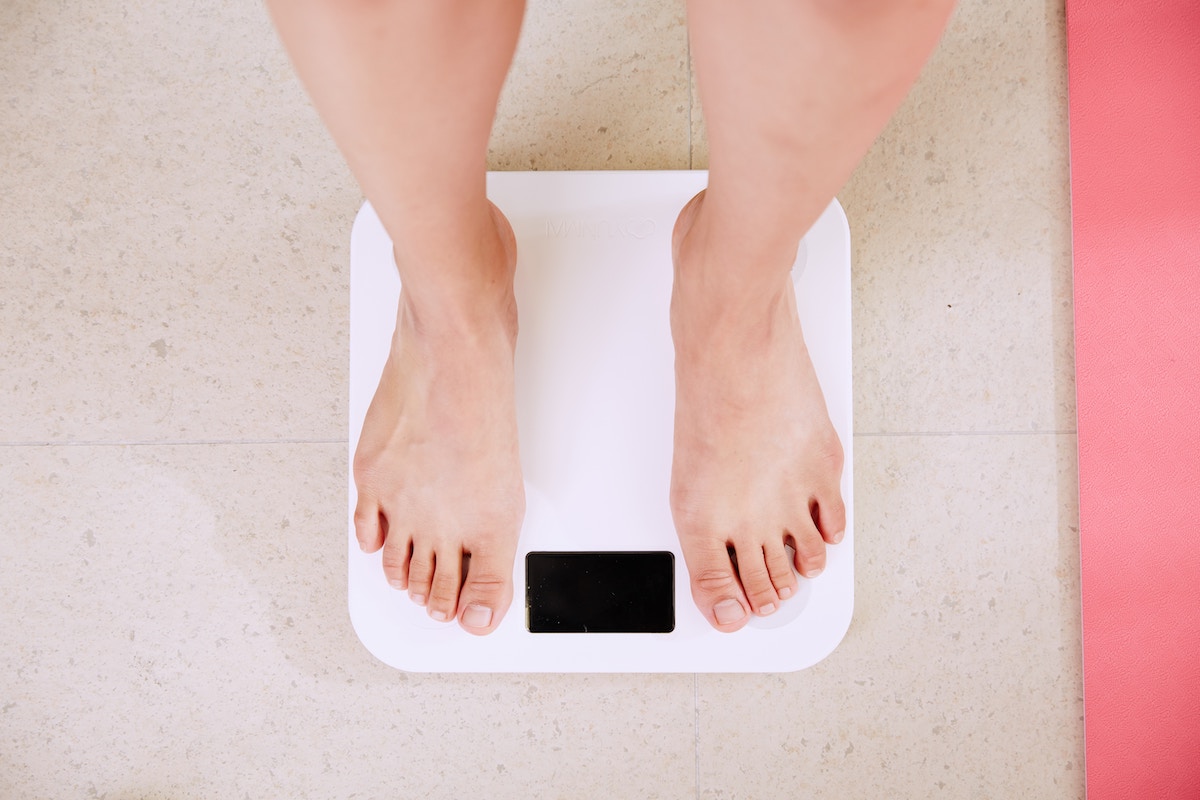
Here are three main contributors to weight gain and how TCM addresses them.
Hormones: Testosterone and estrogen imbalance can be likened to yin and yang. Yin is more feminine, still, dark, quiet, inward and moistening (our fluids are yin) and is likened to estrogen. Yang is more masculine, loud, outward, moving, hot and bright. It is likened to testosterone. The body continually achieves balance between these two elements. As we age, the hormone levels of testosterone and estrogen adjust and can create changes in the body such as weight gain. For example, women with higher estrogen develop increased fat storage, and women prescribed estrogen may be prone to weight gain. Treatment would include an herbal formula designed to adjust the hormones and a diet recommendation that would include foods that nourish yin, such as yams.
Dampness: In TCM the term dampness refers to water retention combined with fat stores due to overstimulation of insulin from poor diet and overeating. If this happens chronically, it weakens the spleen system (which is in charge of transformation and transportation of food in TCM, a different definition than that of the Western-medicine spleen).
Long-term depletion causes blockage of organs and channels leading to serious health risks for the kidney, spleen, heart and lungs. This happens in stages as acute damp retention becomes chronic and leads to deficiencies in the spleen and kidney, which leads to more chronic phlegm retention. An obese person would experience health issues such as diabetes and heart disease in this case. Treatment is best in the early, acute stages where dampness is still primarily middle-heavy. Herbs and acupuncture would drain the damp and a new diet would be implemented to prevent future issues. Foods such as barley, and soups to warm the spleen are benecial.
Eating habits and lifestyle: Overeating, eating quickly, indulging in processed foods and foods too cold, such as iced drinks and raw vegetables, impair the smooth function of the digestive system. Stress and irregular eating habits also can cause weight gain, as well as eating sugar to boost sagging energy or to calm emotions. In addition, eating heavily at night is not advisable because the body burns at a slower rate at night as it replenishes the yin cycle. Treatment in this case would include an adjustment in lifestyle and acupuncture for stress relief and appetite control.
TCM does not just see food biochemically. Food has qualities including temperature, taste, shape and color, which benefit specific organs and encourage their smooth function. For example, sour and green foods benefit the liver, bitter and red foods benefit the heart, and pungent, white foods benefit the lungs. If one has too much yang energy, there is too much heat and therefore cooling foods such as watermelon and cucumber would help achieve balance. In the case of a decline in yang, one would feel cold, so warmer foods like lamb and ginger would benefit. If one has too little yin, heat signs are present because the yang has become more exuberant. You would nourish the yin in this case with foods like yams or goji berries. Not only will the weight gain be addressed but the root of the issue as well. Ask me if you’re interested in learning more about TCM for your weight loss goals.
Gua Sha for Healthy Skin
There are many elements to keeping our skin healthy and vibrant. For instance, are we giving our bodies enough water each day? Are we eating healthy, organic, whole foods? Are we getting enough sleep? Are we dealing with our daily stressors? All of these things can affect how we feel on the inside and how we look on the outside. But in today’s busy society, many rarely take the time to care for themselves. This can show on our faces in the form of wrinkles, dry lackluster skin and even discoloration.

There is hope to fix this, and it’s called Gua Sha. Gua Sha may be just what the doctor ordered for attaining healthy skin.
Gua Sha is a technique that involves the quick, repetitive scraping of a flat jade, natural horn, ceramic or metal tool across the skin to relieve tension and pain and stimulate lymphatic drainage. It can be used anywhere on the body, but is frequently used as a part of facial acupuncture treatments.
Facial Gua Sha is gentler than when it is utilized in other areas of the body. When performing Gua Sha on the face, the tool is pulled along the skin instead of the deep scraping used on other areas. Also the tools used on the face are usually made of jade, rose quartz or porcelain, which provides a cooling sensation on the skin surface. The purpose of Gua Sha on the face is to increase lymph drainage and release facial muscle tension.
The lymphatic system relies on movement. We tend to get this vital movement through exercise or massage. But if you’re not engaging in regular exercise, the lymphatic system can become sluggish and clogged. This means that it doesn’t perform optimally. When lymph fluid is circulating and draining properly, added Gua Sha can reduce inflammation and increase the body’s ability to remove toxins and dirt that have built up in the skin. This means less facial puffiness, clearer sinuses and less acne.
Facial Gua Sha can be beneficial for reducing tension held in the face and neck areas too. This may lead to fewer headaches, less jaw tightness and decreased neck pain. For people who clench their teeth, Gua Sha can be a game changer because it releases the tension built up in the muscles.
One more thing that facial Gua Sha provides is exfoliation. The action of gentle scraping on the face improves blood flow and allows for the dead skin cells to slough off more easily and frequently. This can even out facial skin tone, creating a radiant, healthy complexion.
If you are concerned about your skin tone, fine lines and wrinkles or you are experiencing neck and jaw pain, facial Gua Sha might be the extra tool you need.